Author: Marina Schauffler
Sixteen months after Maine enacted a first-in-the-nation law aimed at eliminating use of most per- and polyfluoroalkyl substances (PFAS) by 2030, the phased-in ban faces its first major milestone. By January 1, 2023, manufacturers...
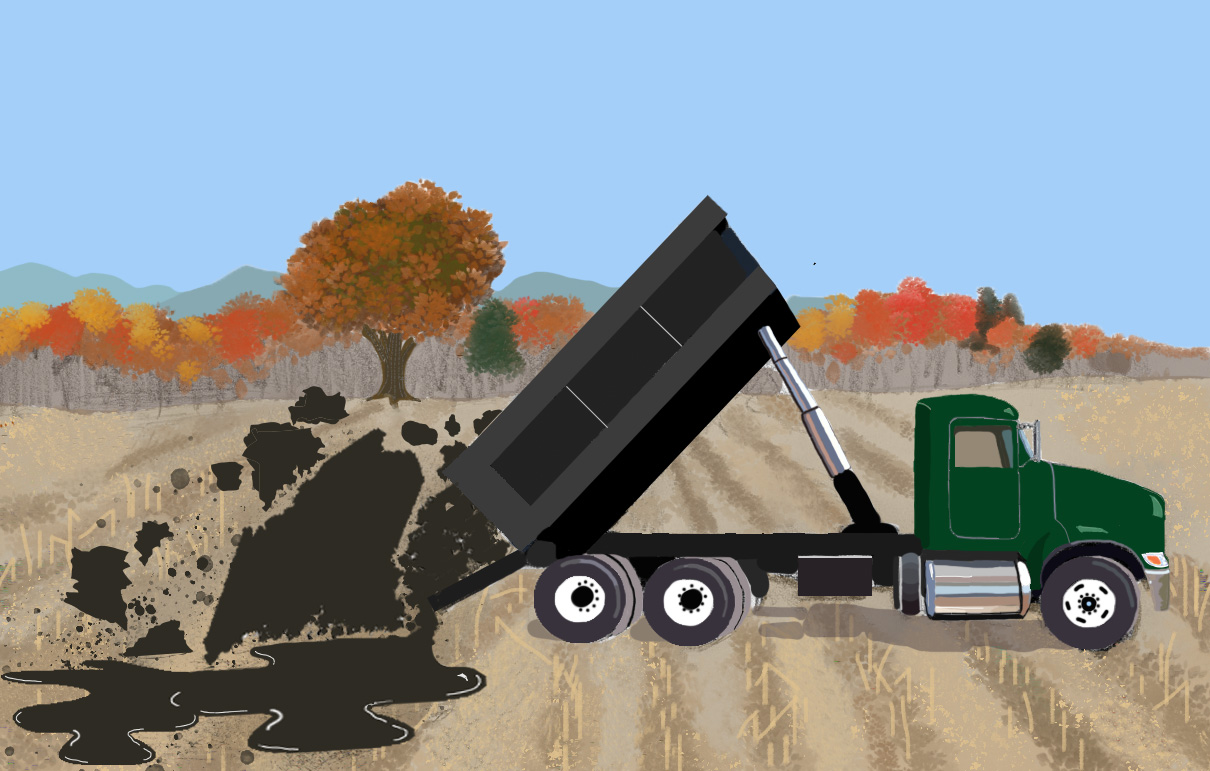
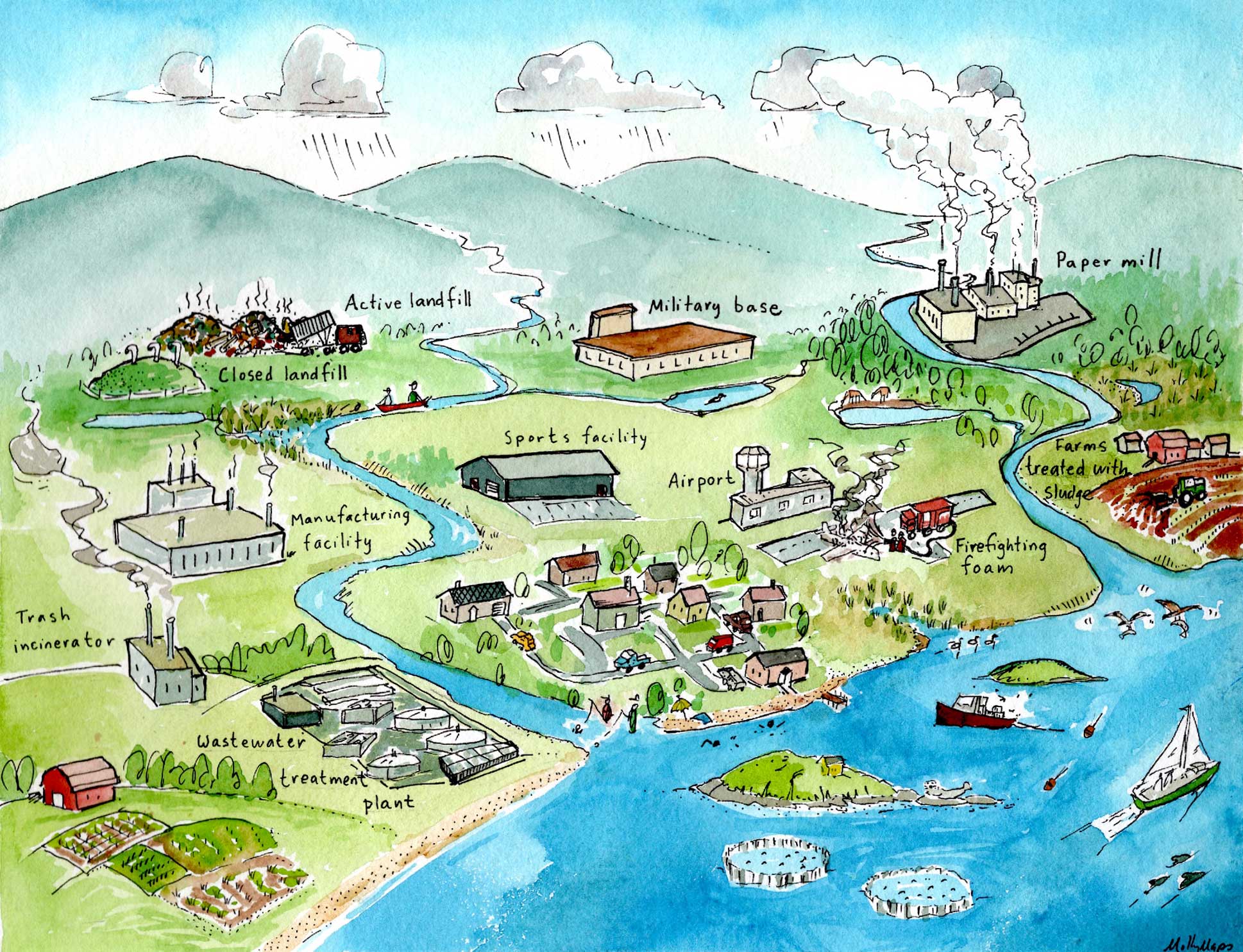
How PFAS got into soils and food systems Risks from ‘forever chemicals’ have ended a half-century of spreading sludge onto Maine farmland and raised unanswered questions about contamination of foods. “Other states in general...
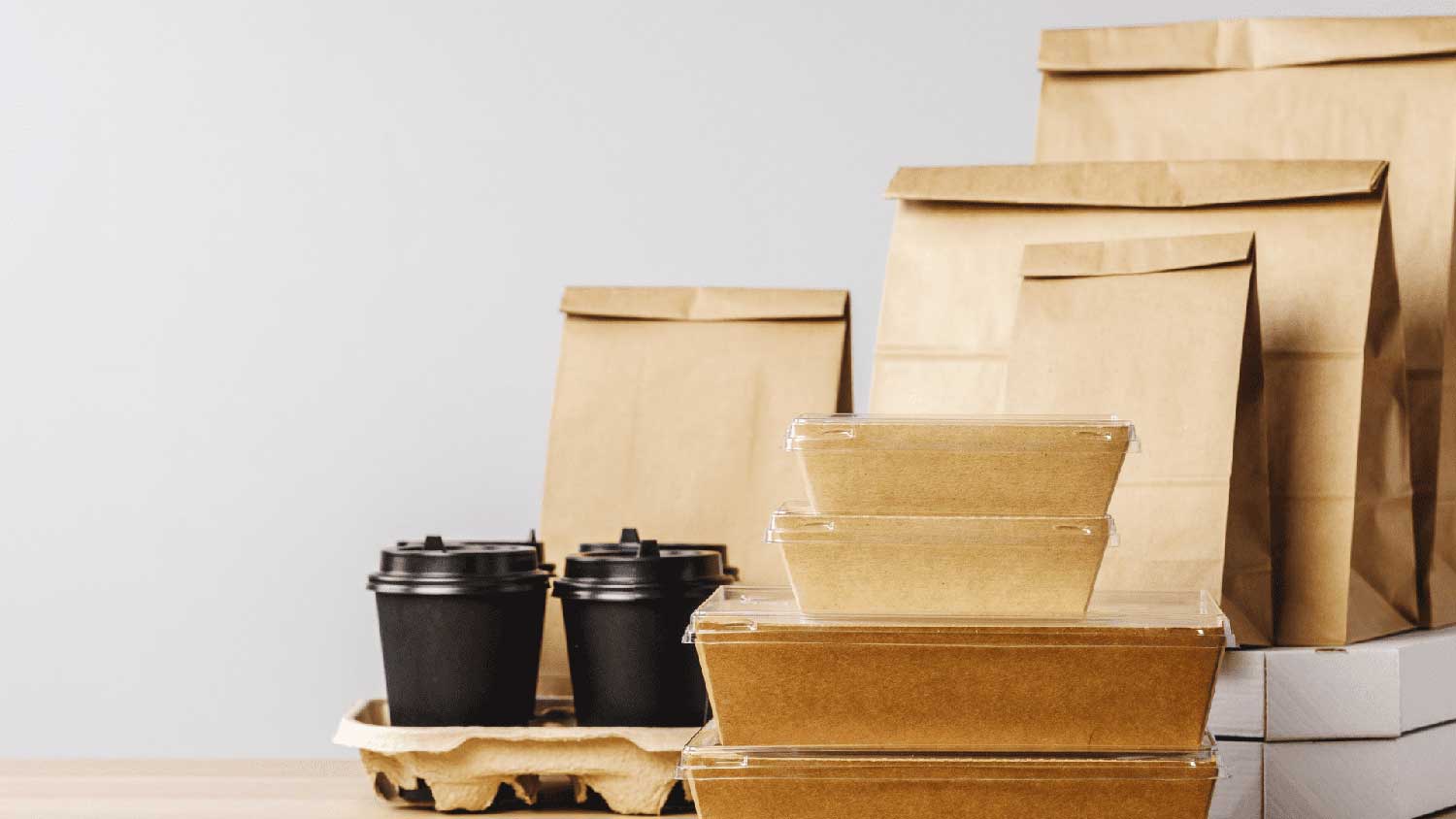
Many takeout containers risk contaminating foods Per- and polyfluoroalkyl substances (PFAS) can find their way into foods through sludge or compost that contaminates soils, waters and crops, or they can migrate directly from packaging...
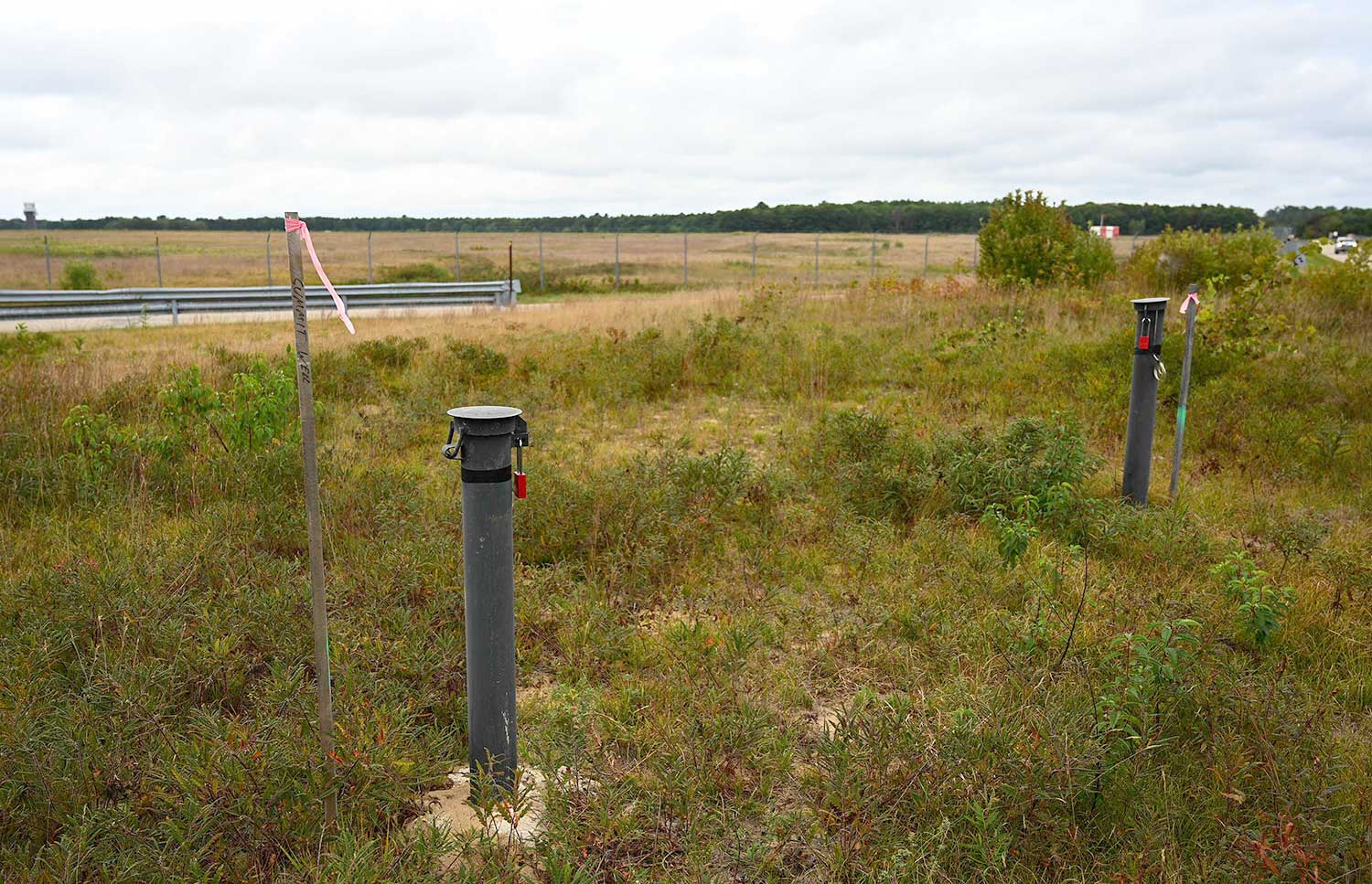
‘Forever chemicals’ can show up in aquifers long after their historic use, prompting the need for costly drinking water monitoring and treatment. A recent U.S. Navy report finds that per- and polyfluoroalkyl substances (PFAS)...
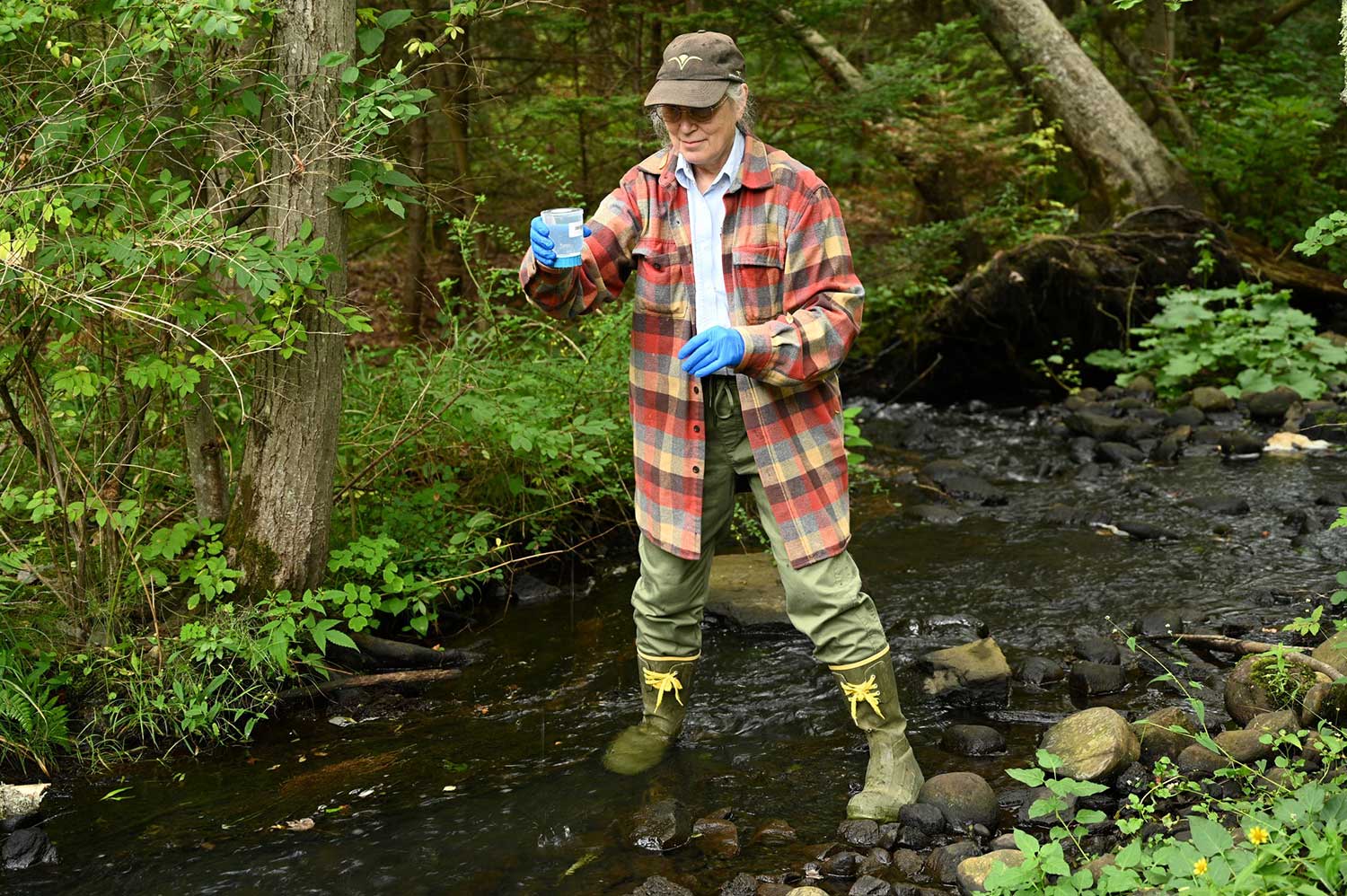
Tracing the movement of PFAS into waterways and wildlife Martha Spiess, a retired veterinarian, began testing waters in Brunswick for PFAS (per- and polyfluoroalkyl substances) after hearing news of ‘forever chemicals’ contaminating Maine farms....
PFAS may concentrate over time in landfills near the Penobscot Indian Reservation
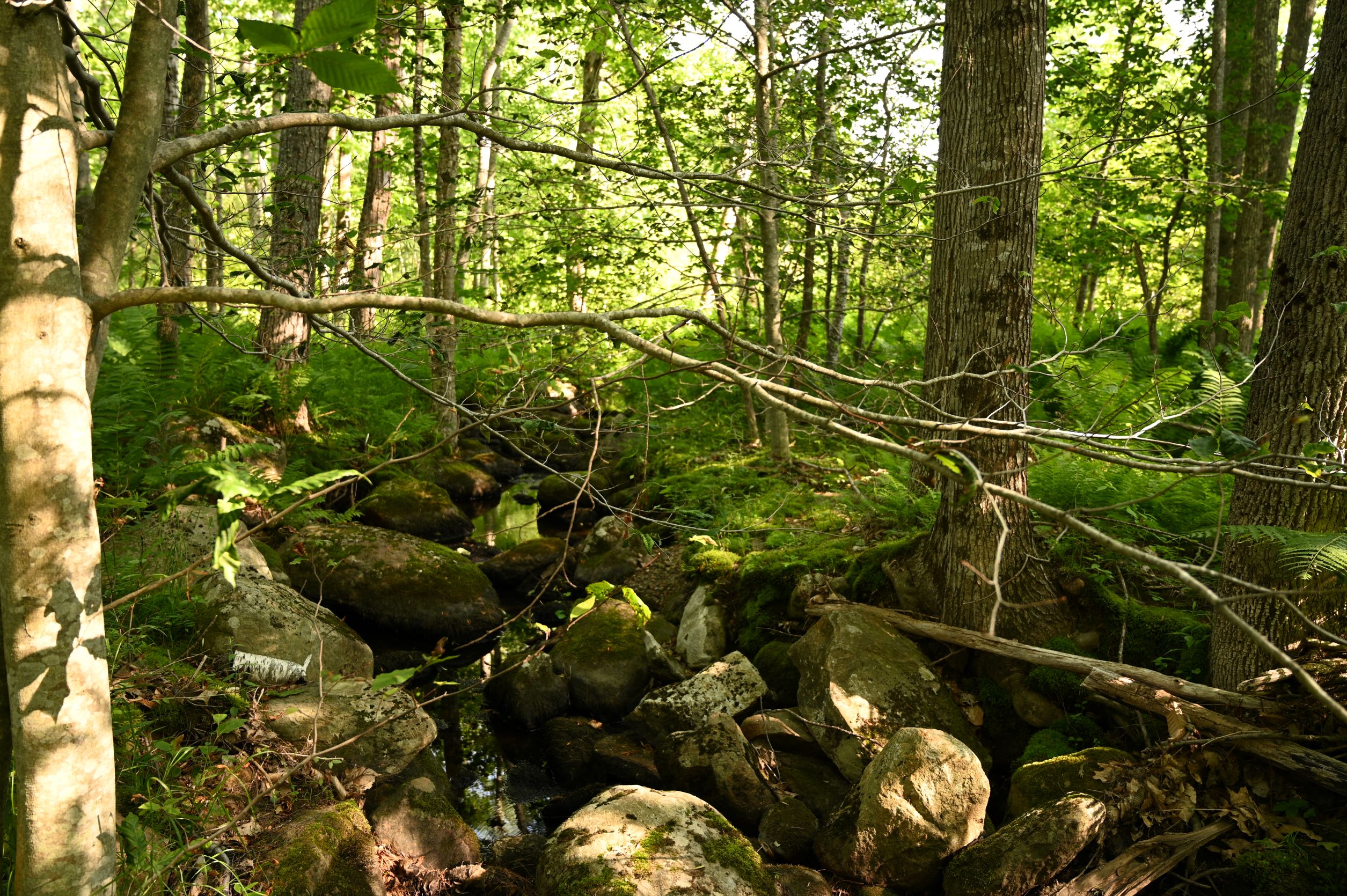
In forests, we expect slow change. Trees gain height and breadth by small degrees, and the mix of species shifts gradually over decades. But reality no longer conforms to our expectations. Many tree species...
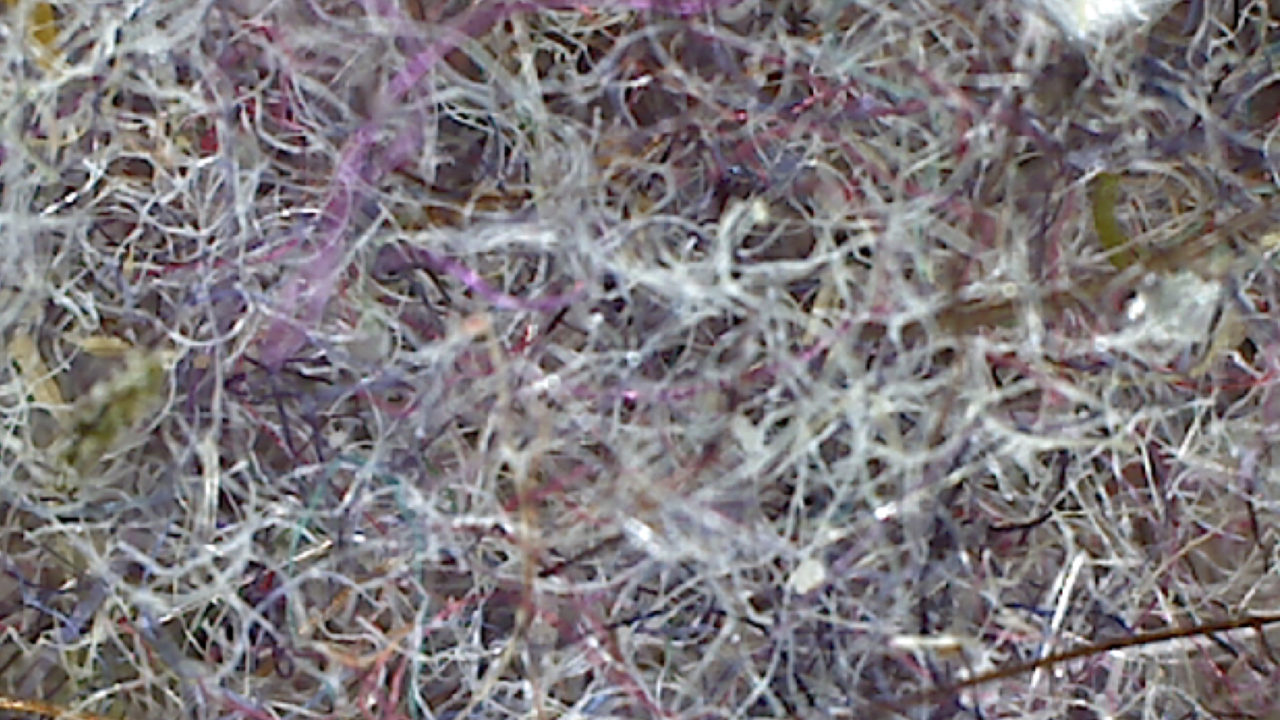
The soft clouds of gray lint that slide off clothes dryer screens are tangible evidence of the dryer’s tumbling abrasion. Each handful comes at a cost, shortening the lifespan of garments. But the true...